
The History of Meditation

The Timeless Journey of Meditation ; A Historical Perspective

Meditation is a practice as ancient as humanity itself, a bridge between the physical and spiritual realms that has evolved across cultures and eras. From sacred caves in India to bustling modern cities, meditation has woven its way through the tapestry of human history, adapting to the needs of the time while remaining rooted in its essence: the quest for inner peace, self-awareness, and connection with the divine.

Meditation in Ancient Civilizations

The origins of meditation trace back to the mists of prehistory. While exact dates remain elusive, archaeological evidence suggests that meditation-like practices existed over 5,000 years ago. Early depictions of seated, meditative figures appear in Indus Valley artifacts, hinting at a spiritual culture that embraced introspection and connection with the cosmos.

In ancient India, meditation took root as a core aspect of spiritual practice. The Vedas, sacred texts composed around 1500 BCE, contain references to techniques involving breath control and mental focus, precursors to what we now know as meditation. These practices were deeply intertwined with Hinduism and later gave rise to the yogic traditions, which sought union between the self (Atman) and the universal consciousness (Brahman).

Around the same time, similar contemplative practices were emerging in China. Taoism, a philosophy rooted in harmony with the natural flow of life (Tao), encouraged meditation as a means of achieving balance and inner stillness. Ancient Taoist texts describe techniques that resemble modern mindfulness and visualization practices, emphasizing the importance of aligning one’s energy (Qi) with the rhythms of nature.

Buddhism and the Codification of Meditation

The rise of Buddhism in the 5th to 6th century BCE marked a pivotal moment in the history of meditation. Siddhartha Gautama, the Buddha, attained enlightenment through deep meditation, and his teachings transformed the practice into a structured discipline. Vipassana (insight meditation) and Samatha (calm abiding) became foundational methods for cultivating mindfulness, concentration, and wisdom.

As Buddhism spread across Asia, meditation adapted to local cultures and traditions. In China, it merged with Taoist influences to form Chan Buddhism, which later evolved into Zen in Japan. Zen meditation emphasized simplicity, direct experience, and the art of “just sitting” (zazen). Meanwhile, Tibetan Buddhism integrated visualization, chanting, and elaborate rituals, creating a rich tapestry of meditative practices aimed at transcending duality and achieving liberation.

Meditation in the Western World

While meditation flourished in Eastern traditions, it remained relatively unknown in the West for much of history. However, parallels can be found in Western spiritual practices. Early Christian mystics, such as Desert Fathers in the 3rd century CE, practiced contemplative prayer, retreating into silence and solitude to commune with God. Similar practices emerged in Islamic Sufism, where dhikr (repetition of divine names) and meditative dances facilitated spiritual ecstasy.

The Renaissance and Enlightenment periods in Europe shifted the cultural focus toward reason and science, pushing contemplative practices to the margins. However, seeds of Eastern wisdom began to take root in the 19th century, as translations of Hindu and Buddhist texts sparked curiosity among Western intellectuals. The works of philosophers like Schopenhauer and Thoreau reflected this growing fascination with Eastern spirituality.

The Modern Revival of Meditation

The 20th century marked a global revival of meditation, as Eastern teachers began sharing their wisdom with the West. Figures like Swami Vivekananda, Paramahansa Yogananda, and Maharishi Mahesh Yogi introduced practices like yoga and Transcendental Meditation to Western audiences, sparking widespread interest.

In the 1960s and 70s, the counterculture movement embraced meditation as part of a broader quest for personal transformation and spiritual awakening. The Beatles’ highly publicized retreat with Maharishi Mahesh Yogi brought meditation into popular culture, while influential teachers like Thích Nhất Hạnh and Chögyam Trungpa blended traditional teachings with modern sensibilities, making meditation accessible to a broader audience.

The rise of secular mindfulness practices in the late 20th century further propelled meditation into the mainstream. Influenced by Buddhist techniques, Jon Kabat-Zinn developed the Mindfulness-Based Stress Reduction (MBSR)program, demonstrating the psychological and health benefits of meditation. Scientific research began to validate ancient claims, showing that meditation could reduce stress, improve focus, and enhance emotional well-being.

 

image


Meditation Today: A Global Practice

Today, meditation has transcended its spiritual roots to become a universal practice. Apps like Headspace and Calm bring guided meditations to millions, while workplaces, schools, and healthcare systems integrate mindfulness programs to promote well-being. Yet, amidst this global popularity, meditation remains deeply personal—a timeless tool for navigating life’s challenges and rediscovering inner stillness.

Despite its evolution, the essence of meditation remains unchanged. Whether practiced in a Himalayan monastery, a city park, or a living room, meditation continues to offer a space for introspection, healing, and connection with something greater. It invites us to step away from the noise of the world and into the quiet sanctuary of our own being.


Is Digital Overstimulation Draining Your Wellbeing?

Is Digital Overstimulation Draining Your Wellbeing?

In our hyper-connected world, the digital realm is woven into every aspect of our lives. We wake up to the soft glow of a phone screen, check notifications as we sip our coffee, and scroll endlessly through social media before bed. While technology offers us incredible opportunities to connect, learn, and create, it also poses a subtle, insidious challenge to our inner peace. Digital overstimulation has become a silent drain on our wellbeing, and reclaiming balance is now more essential than ever.

Have you ever felt jittery after a day of constant notifications or frazzled after spending hours scrolling through reels, news feeds, or emails? This is digital overstimulation at work. When we’re bombarded by endless streams of information, our brains are in a state of constant activity. Every notification pings the brain’s reward center, releasing dopamine—a neurotransmitter associated with pleasure. While this might feel gratifying momentarily, over time, it creates a cycle of dependency that can deplete our mental, emotional, and even physical energy.

Signs of Digital Overstimulation

Mental Fatigue: Difficulty focusing, making decisions, or remembering tasks.

Emotional Drain: Feeling overwhelmed, anxious, or irritable without a clear cause.

Sleep Disturbances: Struggling to wind down at night or experiencing restless sleep due to excessive screen time.

Reduced Presence: A sense of detachment from the present moment and difficulty connecting with loved ones.

Physical Symptoms: Eye strain, headaches, and even posture-related aches from prolonged device use.

Reclaiming Balance again

Digital Detox Periods: Create intentional breaks from screens. This could be as simple as setting “no phone” hours during meals, walks, or before bed.

Mindful Consumption: Choose quality over quantity. Follow accounts or consume content that uplifts, inspires, or educates you, and let go of the rest.

Tech-Free Spaces: Designate certain areas of your home, such as the bedroom or dining area, as tech-free zones to foster presence and connection.

Use Technology with Intention: Before picking up your phone or opening an app, pause and ask yourself: “What am I looking for?” This simple question can help you avoid mindless scrolling.

Engage with Nature: Spend time outdoors to reconnect with the natural rhythms of life. Nature has a grounding effect that counters the frenetic pace of the digital world.

Practice Mindfulness: Dedicate time to mindfulness practices, such as meditation or deep breathing, to help your mind rest and reset. Apps designed for mindfulness can even be a positive use of technology.

image

Remember, Your Attention is Sacred

In a world that often demands more of us than we can give, remembering that our attention is sacred is an act of self-care. By curating how and when we engage with the digital world, we create space for stillness, reflection, and connection with what truly matters. The journey toward balance begins with small, intentional choices that honor your wellbeing.

When was the last time you allowed yourself the luxury of uninterrupted quiet? Perhaps now is the perfect moment to unplug, take a deep breath, and come home to yourself.

Embracing the Feminine Energy

A Journey Back to Wholeness

In a world that often glorifies speed, productivity, and external achievements, the gentle essence of feminine energy can feel elusive. Yet, she is always present within us, quietly calling us back to balance and connection. Feminine energy is not about gender or societal roles; it is a universal force that embodies intuition, creativity, nurturing, and surrender. To come more into her is to reconnect with a profound sense of being, to embrace the unseen flow of life, and to awaken the sacred wholeness that resides within.

Feminine energy reflects the rhythms of nature: soft yet powerful, fluid yet grounded, receptive yet endlessly creative. She is the moon to the sun, the river to the mountain, the pause that makes the song complete. Unlike the masculine energy that drives action and structure, feminine energy emphasizes being, feeling, and connecting. When we align with her, we find ourselves moving with life rather than against it, guided by intuition, compassion, and the wisdom of the heart.

How is she?

To embody this energy requires a conscious slowing down, an invitation to step out of the rush of daily life and into a more present state of being. The feminine thrives in stillness, in the quiet moments where we can listen to the whispers of our heart and soul. Whether through meditation, journaling, or simply sitting in nature, these pauses allow us to tune into our inner wisdom. It is in this space of presence that we can ask, “What does my heart need today?” and trust the answer that arises.

Our bodies are sacred vessels of feminine energy, and reconnecting with them is a profound way to honor her. Movement practices like yoga, dance, or even mindful walking allow us to inhabit our physical form fully, celebrating its rhythms and sensations. Feminine energy is sensual by nature, rooted in the physical and the tactile. To embody her is to revel in the feel of the earth beneath your feet, the warmth of the sun on your skin, and the pleasure of creating and expressing without the need for perfection.

Feminine energy also embraces emotions as sacred messengers, encouraging us to feel deeply and authentically. In a world that often teaches us to suppress or rationalize our feelings, honoring our emotions can feel revolutionary. Whether it’s joy, sadness, anger, or love, every emotion carries a truth waiting to be acknowledged. By allowing ourselves to feel without judgment, we open the door to healing, connection, and deeper self-understanding.

Creativity flows effortlessly when we are aligned with feminine energy. Whether through painting, writing, cooking, or other forms of self-expression, creating from the heart becomes a celebration of life itself. The process, not the outcome, is what matters. This approach mirrors the essence of feminine energy: a willingness to flow and adapt, to surrender to the moment, and to find beauty in the imperfect.

urrender is one of the most profound aspects of feminine energy, though it is often misunderstood. It is not about giving up; it is about letting go. Surrendering means trusting the flow of life rather than forcing outcomes, allowing space for miracles, synchronicities, and effortless alignment. It requires vulnerability, but it is in this vulnerability that we find strength. To surrender is to remember that we are co-creators with the universe, not its controllers.

Nature is one of the most powerful teachers of feminine energy. Spending time outdoors, observing the cycles of the moon, the tides, and the changing seasons, reconnects us with the natural rhythms that mirror our own. Just as the earth moves through phases of growth, harvest, rest, and renewal, so do we. Honoring these cycles within ourselves—our need for rest as much as action—helps us live in harmony with our true nature.

Incorporating sacred rituals into daily life can also deepen our connection with feminine energy. Lighting a candle, setting intentions, or creating an altar with objects that feel meaningful can transform ordinary moments into acts of devotion. Rituals remind us to pause, breathe, and infuse the everyday with sacredness. They become anchors that connect us to the divine feminine within.

The journey into feminine energy is not about rejecting the masculine but about creating balance. Both energies are essential; they are partners in the dance of life. Yet, in a world dominated by doing and achieving, reconnecting with the feminine is an act of reclamation. It is a return to the rhythms of nature, the wisdom of the heart, and the beauty of simply being.

image


Come home to yourself

To come more into her is to come home to yourself. It is an invitation to live with greater ease, presence, and authenticity. She has always been within you, waiting for the moment when you would listen, trust, and let her guide you. As you honor her, you honor the sacred balance of life itself. May this journey bring you closer to your truest essence and the divine wholeness that is your birthright. 🌙

Navigating Retreat Blues

Integrating the Sacred into Everyday Life

Attending a spiritual retreat is often a transformative experience—a time of deep introspection, connection, and renewal. The serene surroundings, the intentional practices, and the supportive community create a sacred container where profound insights emerge. But as the retreat ends and we step back into the rhythms of daily life, many of us encounter an unexpected challenge: the post-retreat blues.

The “retreat blues” is a term that describes the emotional slump or disorientation that often follows a powerful spiritual experience. After being immersed in stillness and clarity, returning to the demands of everyday life can feel jarring. The sense of peace and purpose cultivated during the retreat may seem to fade, leaving us longing for the sanctuary we left behind. This experience, though unsettling, is a natural part of integrating growth into the messiness of real life.

Why Retreat Blues Happen

At its core, retreat blues stem from contrast. On retreat, we create an ideal environment for transformation—free from distractions, filled with practices that nourish the soul. When we return to “normal life,” we’re reintroduced to the noise, stress, and responsibilities that can pull us away from that centered state.

Additionally, retreats often bring us face-to-face with our higher selves. We glimpse a version of life that feels aligned, sacred, and whole. Coming back to a world that may feel disconnected or chaotic can spark a sense of loss or even frustration. It’s as if the heart whispers, “I’ve seen how life can be, but how do I sustain it here?”

This tension is a sign that something within you has shifted. It’s not about losing what you gained; it’s about learning how to carry it forward.

Honoring the Transition

The first step in navigating retreat blues is to honor the transition. Acknowledge that leaving a retreat is a significant shift, and give yourself permission to feel whatever arises—whether it’s sadness, longing, or even resistance to reengaging with everyday life. These emotions are not a sign of failure; they are a natural part of the integration process.

Be gentle with yourself during this time. Just as a plant needs care when transplanted into new soil, your soul needs nurturing as it adjusts to the “new normal.” This might involve extra rest, journaling, or simply taking moments to reflect on the insights you gained.

Integrating the Retreat into Everyday Life

One of the most powerful ways to ease the retreat blues is to weave the essence of the retreat into your daily routine. Rather than seeing the retreat as a separate, sacred event, think of it as a seed planted within you—a seed that needs tending in your everyday life.

Reflect on the practices that nourished you during the retreat. Was it meditation, yoga, journaling, or simply sitting in silence? Commit to incorporating these into your daily routine, even in small ways. A 10-minute morning meditation or a mindful cup of tea can help anchor you in the sacred, no matter where you are.

Stay Connected to the Retreat Energy. If you met kindred spirits during the retreat, consider staying in touch. Sharing your post-retreat experiences with others who understand can be incredibly grounding. You might also revisit notes, teachings, or exercises from the retreat to reignite that sense of connection.

Simplify Your Environment. Retreats often remind us of the beauty of simplicity. Look for ways to create a retreat-like atmosphere at home. This might mean decluttering your space, creating a small altar, or designating a quiet corner for reflection.

Practice Patience. The transition from retreat to daily life is not about perfection; it’s about practice. There will be days when the demands of life feel overwhelming and the clarity of the retreat feels distant. Trust that the lessons you’ve learned are still within you, even if they’re not always immediately accessible.


The Healing Power of Sound Therapy for Pregnant Women

The Gentle Resonance of Sound Therapy for Pregnancy

Pregnancy is often described as a miraculous journey, a time when a woman’s body becomes a vessel for new life. Yet, it’s also a time of profound physical, emotional, and spiritual transformation. Navigating these changes can be both beautiful and challenging, prompting many expectant mothers to seek practices that nurture their well-being and deepen their connection to the life growing within. Among these practices, sound therapy has emerged as a gentle yet powerful way to support pregnant women, offering harmony and balance for both body and soul.

Sound therapy, an ancient healing art, uses vibrations and frequencies to restore balance and promote relaxation. For pregnant women, this practice offers unique benefits, from reducing stress to strengthening the bond with their baby. More than just a calming ritual, it creates an opportunity to connect deeply with the sacredness of the pregnancy experience.

The Calming Power of Sound

Pregnancy brings immense joy, but it can also be accompanied by stress and anxiety. The weight of preparing for a new chapter in life, coupled with the hormonal shifts and physical demands of pregnancy, can leave mothers feeling overwhelmed. Sound therapy provides a sanctuary of peace amidst this whirlwind.

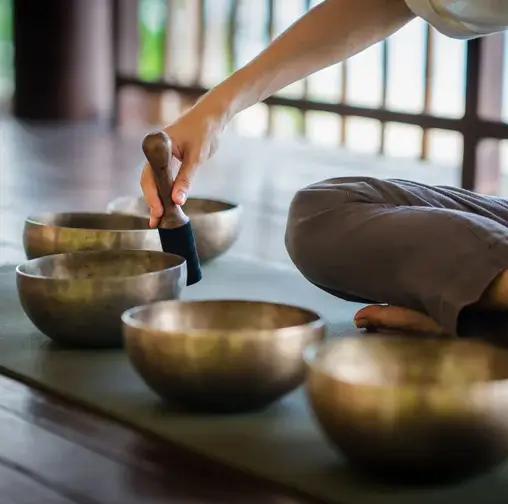
Through instruments like singing bowls, gongs, or chimes, sound therapy induces a state of deep relaxation, helping the mind shift into lower-frequency brainwaves, such as alpha or theta states. These brainwaves are associated with calmness, creativity, and introspection, offering a much-needed reprieve for the busy mind. The soothing vibrations also relax the body, helping to release tension in muscles and improve circulation—both of which are particularly beneficial during pregnancy.

Many mothers find that after a sound therapy session, they not only feel calmer but also notice their baby moving more peacefully within them, as if responding to the vibrations. This sense of shared tranquility can be incredibly grounding and reassuring.

A Sacred Bond Through Vibration

One of the most magical aspects of sound therapy during pregnancy is its ability to create a unique connection between mother and baby. From as early as the second trimester, babies in the womb begin to hear and respond to sounds. The gentle tones of sound healing instruments travel efficiently through amniotic fluid, enveloping the baby in a comforting symphony of vibration.

Mothers often report a deepened sense of connection with their babies during and after sound therapy sessions. The experience feels like a dialogue—a shared moment of stillness and presence. For some, sound therapy becomes a ritual, a way to consciously invite their baby into the harmony of their inner and outer worlds. The familiar tones can even be carried into post-birth life, as babies often find comfort in the sounds they heard while in the womb.

Emotional Balance During Transformation

Pregnancy is not just a physical transformation; it is also an emotional and spiritual journey. As hormones shift and life changes loom on the horizon, it’s natural for emotions to fluctuate. Sound therapy helps to bring balance to this emotional landscape. By creating an environment of safety and stillness, it allows mothers to process their feelings without judgment or overwhelm.

In many spiritual traditions, sound is believed to harmonize the body’s energy centers, or chakras. During pregnancy, the sacral chakra, which governs creativity, fertility, and nurturing, becomes especially significant. Sound therapy can help balance this energy center, grounding the mother and fostering a sense of empowerment and calm.

Resonating Beyond the Womb

The beauty of sound therapy is that its benefits resonate far beyond pregnancy. The practices learned during this time can become tools for navigating the challenges of motherhood, creating moments of calm amidst the chaos. The tones that soothed the baby in the womb can become familiar lullabies, helping to ease the transition into the outside world.

Sound therapy reminds mothers of the sacredness of this journey. It is not just about calming the body or mind—it is about honoring the profound connection between mother and child, and between the individual and the greater whole. The vibrations carry a timeless wisdom, echoing the rhythms of life itself.

Pregnancy is a time of immense growth and change, but it is also a time of deep beauty and connection. Through the gentle power of sound therapy, expectant mothers can find harmony within themselves and with the new life they are bringing into the world. In the resonance of sound, they discover not only peace but also the sacred melody of creation.

Winter Moods

Balancing the Winter Moods

In many spiritual traditions and practices, winter is seen as a time for slowing down, reflecting, and turning inward. It aligns with the natural rhythm of the earth and mirrors the cycles of rest and renewal found in nature. Let’s discuss a deeper understanding of what winter symbolizes spiritually.

Reflection and Inner Work

Winter is often associated with introspection and self-reflection. The long nights and stillness encourage looking inward, assessing where you are on your spiritual and personal journey, and gaining clarity on your inner desires, fears, and goals.

Spiritual Metaphor: Just as the earth rests to prepare for spring, winter invites us to pause and reconnect with ourselves before embarking on new projects or plans.

Rest and Renewal

In contrast to the hustle and growth of spring and summer, winter is a season of rest. Spiritually, it’s a time to recharge, to honor the body and mind’s need for stillness.

Practice: Engaging in restorative activities like meditation, journaling, or simply doing less helps you conserve energy and align with this season’s energy.

Letting Go and Release

Winter symbolizes the shedding of what no longer serves us, much like trees lose their leaves in autumn and prepare for dormancy. Spiritually, it’s a powerful time to let go of old habits, beliefs, or emotions that might be weighing you down.

Rituals: Practices such as writing down things you wish to release and burning the paper can help symbolize this letting go.

Patience and Trust in the Process

Winter reminds us of the importance of patience. Seeds lie dormant under the frozen ground, waiting for the right conditions to sprout in spring. Similarly, this is a time to trust in the unseen processes of growth and transformation happening beneath the surface.

Lesson: You may not see results immediately, but winter teaches faith in the cycles of life.

Connecting to Your Roots

Winter encourages grounding and connecting to your roots. With less external distractions, it’s a time to reconnect with family, traditions, and your inner essence.

Practice: Spend time nurturing relationships or deepening your connection to your spiritual practices.

Intuition and Dreaming

Winter is associated with the energy of the moon and water, which symbolize intuition, dreams, and the subconscious. It’s an ideal time to focus on intuitive practices like dreamwork, tarot, or quiet listening to your inner voice.


Winter is not the time to rush into new plans or projects but rather to rest, reflect, release, and recharge. It sets the stage for growth and creativity in the spring, providing a foundation of clarity and energy for what’s to come. Embracing this rhythm allows you to stay balanced and aligned with the natural flow of life.


Finding Wisdom in Stillness

In a world filled with constant motion and endless noise, stillness can feel elusive—almost uncomfortable. Yet, it is in stillness that we often find the greatest clarity, peace, and connection to our true selves. Far from being idle, stillness is a powerful state of being, a sacred space where the soul whispers its wisdom and the mind finds rest.

When we allow ourselves moments of stillness, we create room for reflection and insight. Just as a pond becomes clear when the ripples settle, our minds also find clarity when we pause. In these moments, answers we’ve been seeking often emerge naturally, and what once felt overwhelming begins to lose its grip.

Stillness is also a balm for the nervous system. When we pause and breathe deeply, the body shifts from a state of stress to one of relaxation and restoration. This not only calms the mind but also promotes physical healing, helping us to feel more grounded and aligned.

On a spiritual level, stillness connects us with the infinite. It is in silence that we can truly hear the divine, feel the pulse of the universe, and remember that we are part of something far greater than ourselves. Through stillness, we reconnect with the flow of life and find a sense of trust and surrender.

The beauty of stillness lies in its simplicity. You don’t need a mountaintop or a retreat—just a quiet moment, a deep breath, and a willingness to be present. Even a few minutes of stillness each day can transform how you navigate life, grounding you in peace and empowering you to move forward with intention.

So, pause today. Let stillness embrace you. In that space, you’ll discover that the greatest strength often comes not from doing, but from simply being.

Stillness is not just the absence of movement; it’s the presence of awareness. It invites us to step out of the chaos and into the present moment, where we can connect with the rhythm of our breath, the beating of our heart, and the still, quiet voice within. In this space, we cultivate a deep sense of listening—not just to the world around us, but to our inner truth. This sacred pause allows us to release what no longer serves us and make room for the wisdom and peace that are always available when we stop and tune in. Stillness, then, becomes a sanctuary, a place of refuge where we can replenish our spirit and return to the world more centered, whole, and alive.

Lighten up

There’s a moment, often subtle but undeniable, when you begin to invest in yourself and something within you shifts. It’s not just a feeling, it’s a glow, an energy, a light that radiates from the inside out. This transformation isn’t about vanity or external validation; it’s about stepping into the fullness of who you are, realizing your worth, and giving yourself permission to grow and thrive.

Investing in yourself looks different for everyone. It might mean prioritizing your health, learning a new skill, pursuing a long-held dream, or simply taking time to rest and recharge. Whatever form it takes, the act of choosing yourself sends a powerful message to your inner self: “I am worthy. I am capable. I matter.”

The moment you start honoring your needs and desires, you ignite a spark within. You begin to notice how the simple act of prioritizing your growth creates ripple effects. Your confidence expands, your energy shifts, and suddenly, opportunities that once seemed distant begin to align. This isn’t magic—it’s the natural result of showing up for yourself with intention and love.

As you invest in yourself, you also inspire others. The light you cultivate becomes a beacon, encouraging those around you to do the same. Your relationships deepen as you connect with people from a place of wholeness, and your presence becomes more impactful because it comes from a space of authenticity.

But perhaps the most beautiful part of this journey is realizing that the light was always within you. Investing in yourself doesn’t create something new; it simply uncovers what was already there, waiting for you to notice and nurture it. The glow you feel is your own potential, finally set free.

So, let this be your reminder: You are your greatest asset. When you invest in yourself—your time, energy, and love—you’re not just improving your life; you’re honoring the unique light that only you can bring to the world. And as you do, watch how that light grows, radiates, and illuminates everything around you.